
What Is MLS® Laser Therapy and What Can It Be Used For?

Updated: 5 days ago
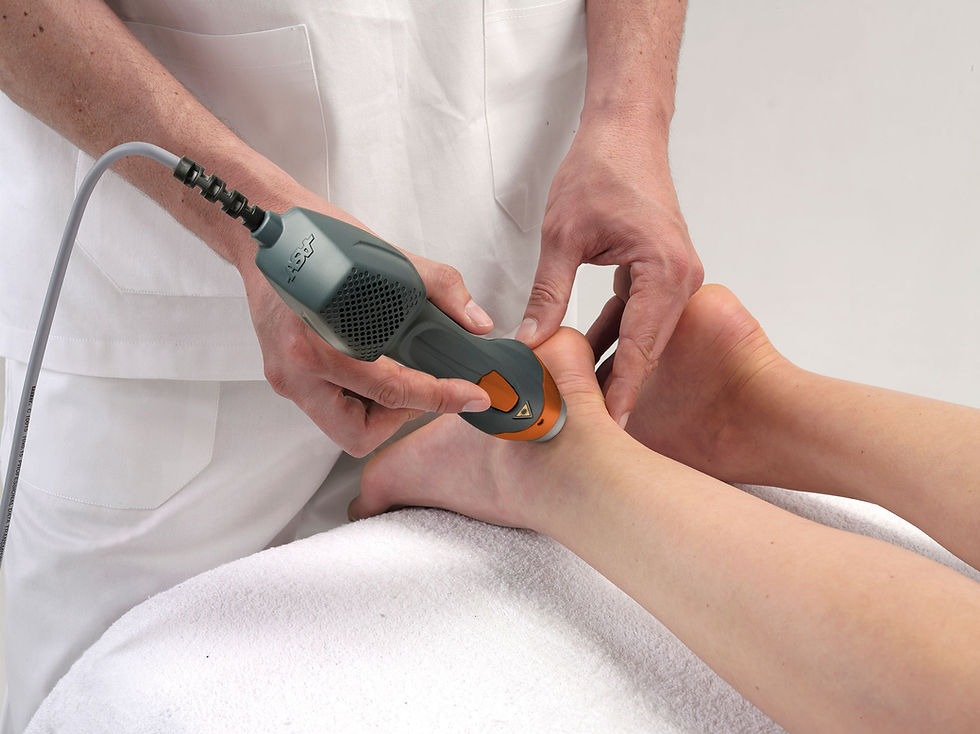
If you have muscle or joint discomfort, inflammation, stiffness or an injury that is taking longer to recuperate you may have heard about MLS Laser Therapy. MLS is the acronym for Multiwave Locked System. It is a non-invasive therapeutic laser therapy that helps to assist the management of pain and inflammation and to stimulate the body’s natural healing processes.
What is MLS Laser Therapy?
MLS Laser treatment is a kind of photobiomodulation treatment that employs precise wavelengths of near infrared laser light. The MLS method uses two wavelengths:
• Continuous emission at 808 nm
• 905 nm pulsed emission
MLS treatment is non-invasive and does not cut or remove tissue in the same way a surgical laser does. The treatment is applied externally, using a laser applicator aimed over the region to be treated.
What is the MLS Laser Therapy mechanism of action?
The energy of light is supplied to the tissue being treated. Photobiomodulation is believed to alter cellular processes and may have consequences connected with pain modulation, inflammation and tissue healing.
The two emissions employed by MLS are designed to provide complementing therapeutic benefits. The 808 nm emission has been related to biostimulatory and anti-inflammatory properties and the pulsed 905 nm emission to analgesic effects.
The goal is not only to heat the space. Rather, MLS is intended to provide a regulated therapeutic dosage of laser energy to the target tissues.
What is MLS Laser Therapy good for?
MLS Laser Therapy has been researched and utilised for a wide range of musculoskeletal disorders. Applications may include, depending on individual circumstances and clinical assessment:
Joint Pain & Osteoarthritis:
MLS may be a part of a therapeutic approach for osteoarthritis related discomfort.
Published clinical indications by ASA include mild-to-moderate osteoarthritis with evidence available for locations such as the knee, shoulder, wrist, hip, ankle and lumbar region.
For example, someone suffering from knee pain associated with osteoarthritis may utilise MLS as well as other relevant methods such as exercise, strengthening and rehab.
Muscle soreness and stiffness:
MLS may also be utilised in muscle discomfort, tension and contractures.
This may cover areas like:
• Shoulders, neck
• Lower back pain
• Femurs
• Calves’
• Muscle pain elsewhere
Tendon issues:
Tendinopathies have been studied additionally using MLS including concerns with the:
• Elbow
• Hand/ Wrist
• Thighs
• Ankles
• Feet
The purpose is to aid with pain and inflammation relief and promote normal function and rehabilitation.
Tennis elbow:
Tennis elbow, also known as lateral elbow tendinopathy, is another ailment that has been treated using therapeutic laser.
Where appropriate, MLS may be used as part of a wider treatment regimen, especially if pain is impeding activities of daily living or exercise.
Sprains and Soft Tissue Injuries:
MLS may be used after certain strains, sprains and contusions.
Clinical uses of ASA are indicated for mild to severe sprains and contusions, affecting regions such as the knee, ankle, wrist and fingers.
Treatment should always be guided by an accurate evaluation of the damage.
Swelling and inflammation:
MLS is also developed to help control inflammation and oedema.
Moving better and facilitating a person’s involvement in rehab or daily activities might help reduce pain and oedema.
What is the sensation during an MLS treatment?
MLS Laser Therapy is usually non-invasive and relaxing. During therapy, the laser applicator is positioned over the region to be treated. Depending on the equipment used and the settings, you may feel a little warmth or little or no feeling at all. No cutting, injections or surgery are performed.
The treatment period and treatment program are dependent on the region being treated, the ailment being addressed and the unique therapy parameters specified.
How many MLS treatments do I need?
No single treatment regimen works for everyone. The amount of sessions you have and how often you have them might depend on:
• The condition under treatment
• Length and severity of symptoms
• The area to be treated
• Your own reaction to therapy
• When MLS is used with exercise or other rehabilitation
A single treatment may not be sufficient and many sessions may be needed. After an evaluation at Kent Laser Clinic, we may review your treatment plan to make sure the treatment strategy is right for you.
Can I use MLS instead of physiotherapy or medical treatment?
No. MLS is not meant to be a substitute for proper medical treatment, physiotherapy, exercise or rehabilitation. For many musculoskeletal disorders, the ideal strategy may be a mix of methods.
Laser therapy may be used as an adjunct to aid with symptoms and to help a more widespread rehabilitation program.
If you experience chronic, severe or inexplicable discomfort you should seek proper medical guidance rather than depend on laser treatment alone.
Is MLS Laser Therapy safe?
Absolutely, when handled by a trained practitioner, MLS therapy is extremely safe.
Is MLS Laser Therapy a good fit for you?
If you are having muscle or joint pain, stiffness, inflammation or an injury, MLS Laser Therapy is something to consider as part of a bigger strategy to treating your symptoms.
At Kent Laser Clinic we can examine your needs and discuss how MLS Laser Therapy might fit into your treatment plan.
Comments